Trying to choose between La Cañada Flintridge and Pasadena for your next move? If schools, space, and day-to-day lifestyle are at the top of your list, these two foothill communities can look similar at first glance, but they live very differently. The good news is that the tradeoffs are fairly clear once you look at district structure, housing patterns, and how each city functions. Let’s break it down.
La Cañada vs Pasadena at a Glance
For many buyers, the simplest way to think about this comparison is this: La Cañada Flintridge offers a smaller, more residential, low-density setting, while Pasadena offers more school options, more housing variety, and a more urban daily rhythm. That overall picture is supported by current district, city, and state accountability data.
If you are trying to match a home search to the way you actually want to live, this distinction matters. One city tends to appeal to buyers who want a more contained, neighborhood-based experience. The other tends to attract buyers who want more choices in both housing and everyday activities.
Schools in La Cañada and Pasadena
La Cañada schools feel smaller and more neighborhood-based
The La Cañada Unified School District is relatively compact and tightly bounded. The district includes three elementary schools, plus La Cañada High School 7/8 and La Cañada High School 9-12, with attendance boundaries tied closely to residential location.
LCUSD also highlights a close-knit community structure and elementary offerings such as art, music, drama, computer classes, and GATE beginning in 4th grade. For buyers who want a district that feels more straightforward and neighborhood-centered, that smaller footprint can be appealing.
Pasadena schools offer more program choice
Pasadena Unified School District is much larger and more program-diverse. The district says it serves more than 14,000 students across a 76-square-mile area and operates 23 schools, including elementary, K-8, middle, secondary, continuation, and alternative education options.
PUSD also describes itself as a district of choice, with open enrollment beyond a student’s neighborhood assignment. The district highlights magnets, dual-language immersion, STEM, arts, IB, and college and career pathways, which can be a strong draw if you want more program flexibility.
State data shows meaningful district-wide differences
The 2025 California School Dashboard shows a notable gap in several district-wide indicators. LCUSD reports a 98.3% graduation rate, 92.5% College/Career Indicator performance, 4.0% chronic absenteeism, and 75.7 science performance. Pasadena Unified reports a 91.2% graduation rate, 56.3% College/Career Indicator performance, 22.2% chronic absenteeism, and 51.2 science performance.
These indicators do not capture every part of the student experience, but they are useful for comparing overall district outcomes. If your search starts with district-wide accountability data, La Cañada stands out. If your priority is a broader menu of school models and specialized programs, Pasadena offers more variety.
Space and Housing Options
La Cañada is built around larger lots
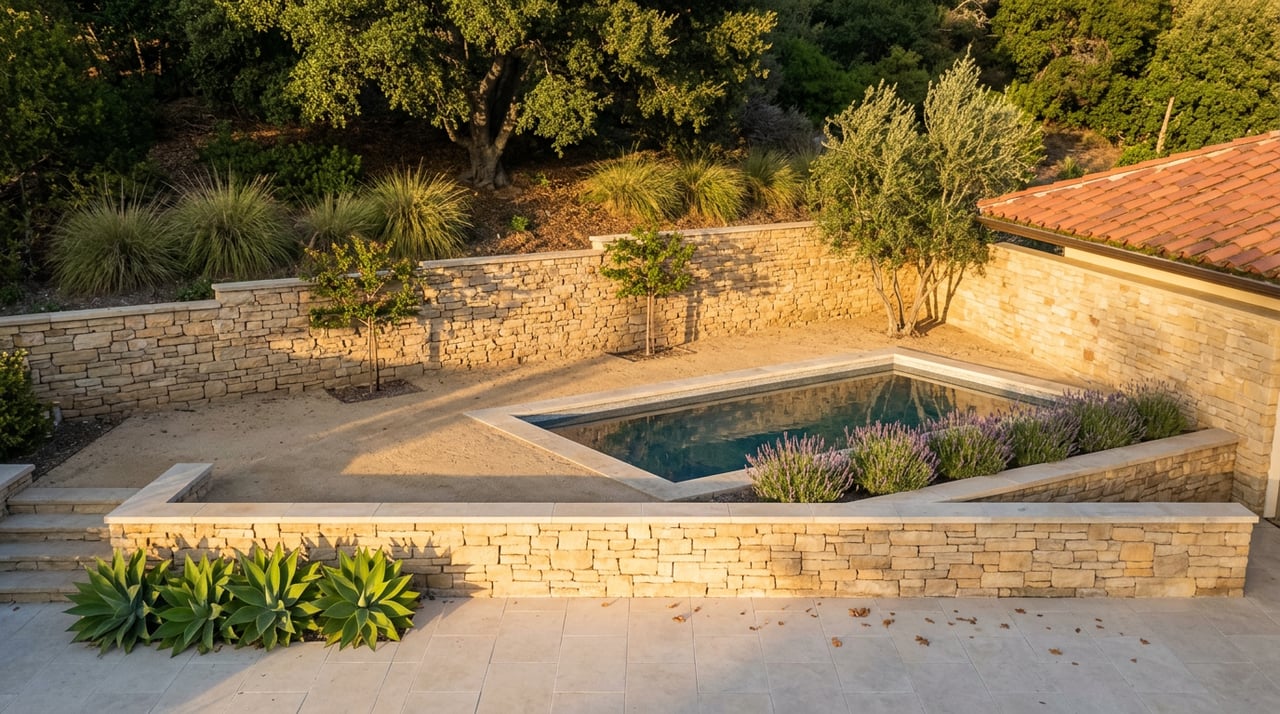
La Cañada Flintridge’s land use plan describes the city as predominantly single-family residential, with neighborhoods on large lots that are generally 0.25 acre or more. The same planning language describes the city as low-density, wooded, hillside, and semi-rural in character.
That planning framework shows up in the housing experience. If you are looking for a detached home with more yard space, greater separation between homes, and a quieter residential feel, La Cañada is more aligned with that goal.
Pasadena offers more housing variety
Pasadena’s Land Use Element says low-density residential neighborhoods often have lot sizes ranging from 7,200 to 40,000 square feet, but the city as a whole is far more mixed. According to Pasadena’s 2025 housing plan, about 43% of units are single-family detached, 51% are multifamily, and 6% are single-family attached.
In practical terms, that means you are more likely to find condos, townhomes, duplexes, and apartment-style options in Pasadena alongside traditional single-family neighborhoods. For buyers who want more price-point flexibility or different ownership styles, Pasadena typically gives you more ways to enter the market.
Architectural character differs too
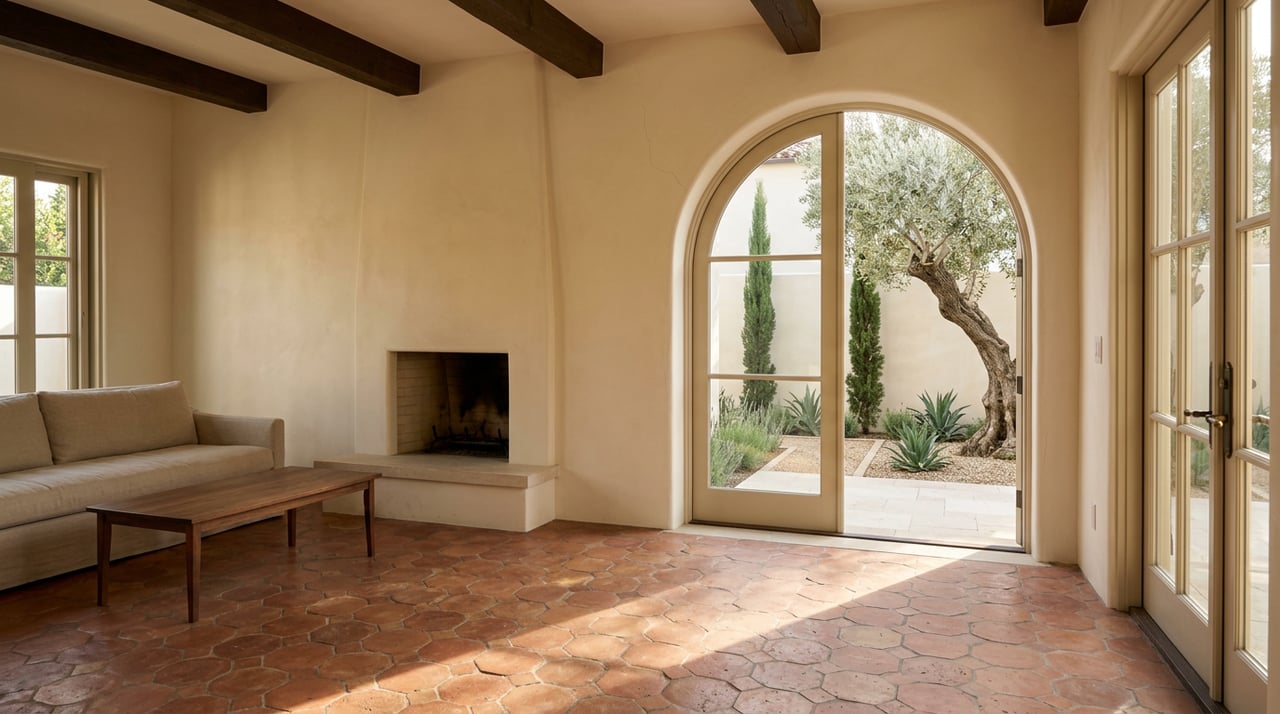
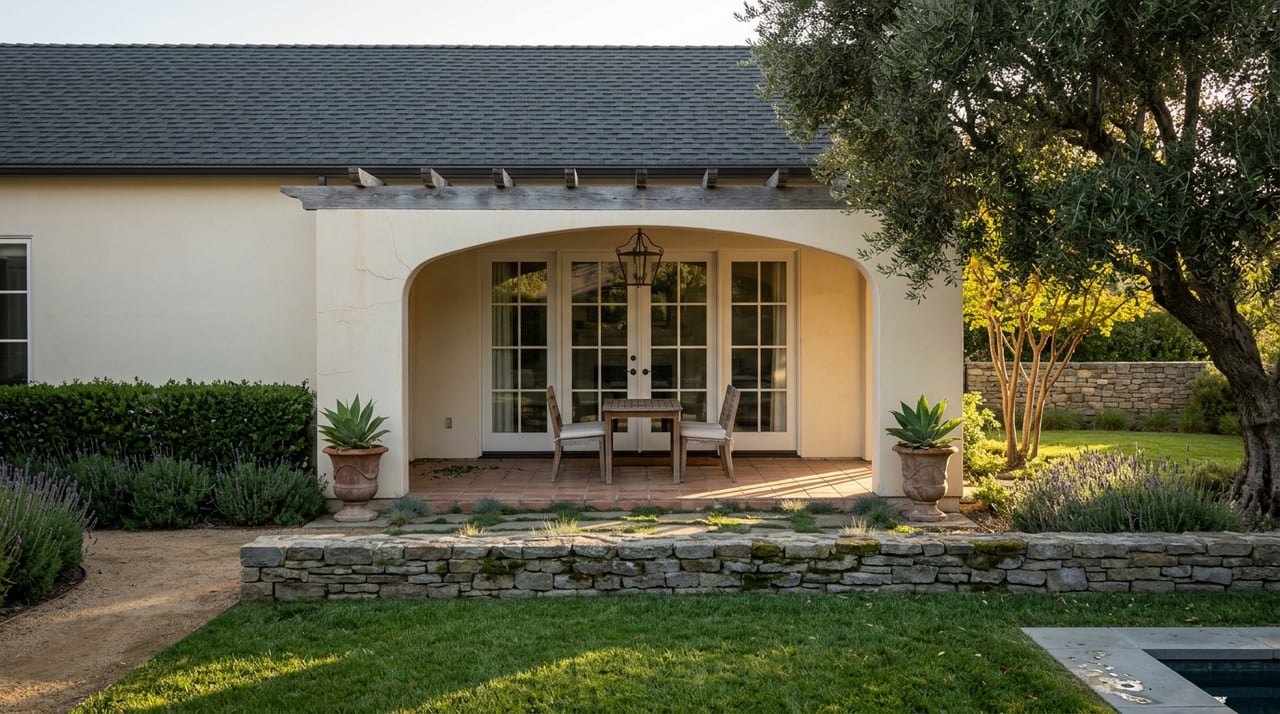
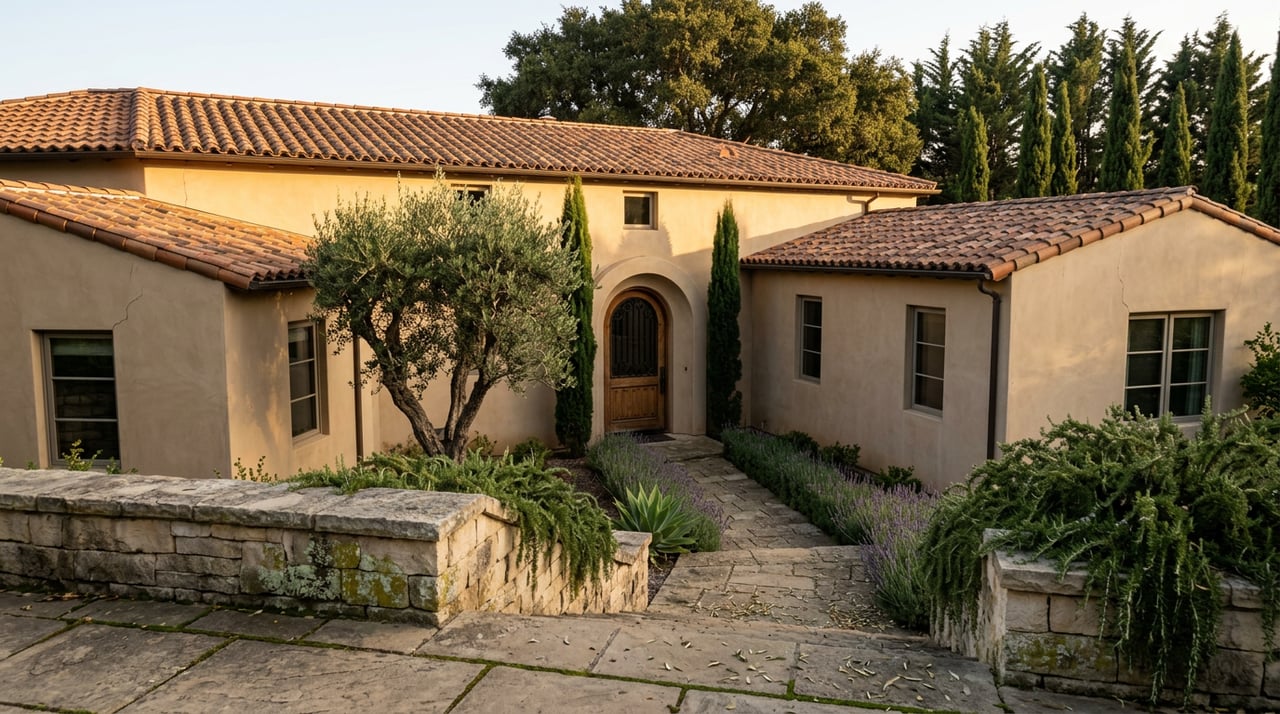
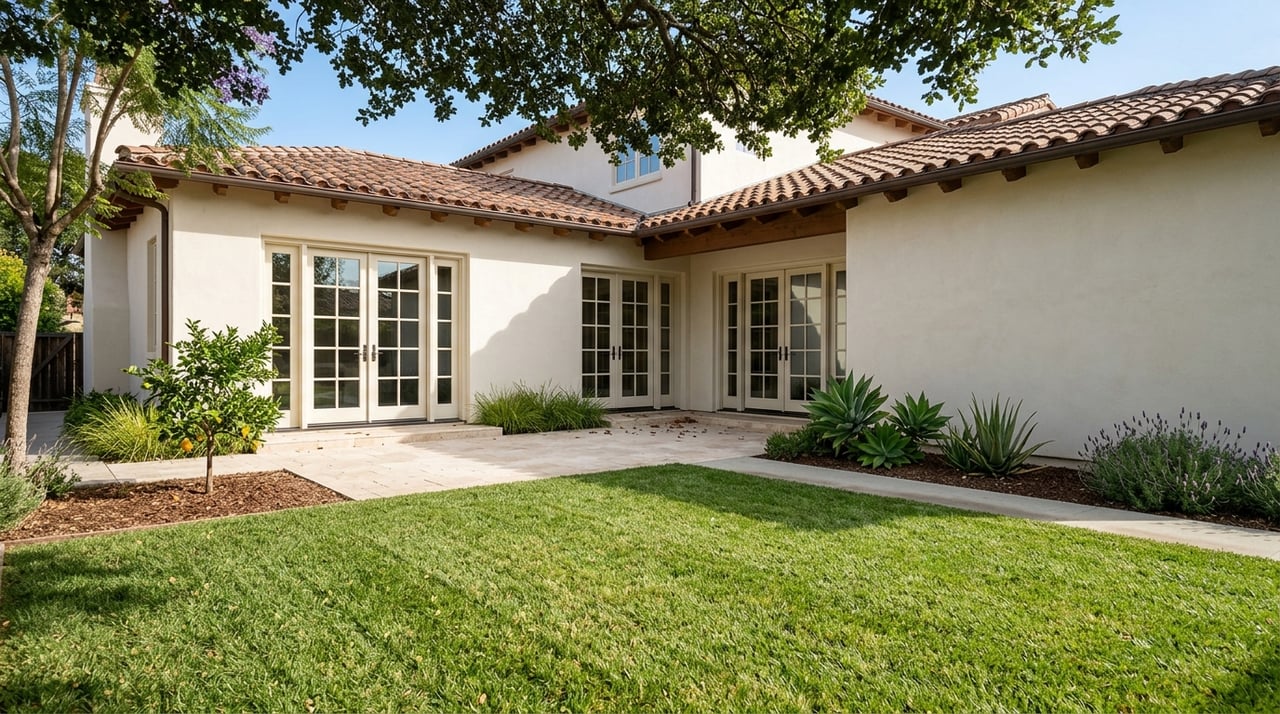
La Cañada’s residential design guidelines describe a built environment with styles such as Spanish Colonial Revival, Mediterranean, Monterey, Ranch, Tudor, Colonial, Cape Cod, and Craftsman. The guidelines also discourage garage-dominant facades and boxy tract-style massing, which supports the city’s more traditional detached-home identity.
Pasadena has a deeper mix of historic housing types and districts. City materials note styles such as Craftsman, Spanish Colonial Revival, Tudor, Queen Anne, and American Foursquare, and Pasadena’s historic resources survey identifies 176 landmarks and 28 landmark districts with more than 3,500 properties.
Walkability and Daily Errands
Pasadena is more walkable overall
If walkability matters to your routine, Pasadena has a clear edge citywide. Walk Score data reports an average Walk Score of 69 and Bike Score of 70 for Pasadena, compared with a Walk Score of 34 and Bike Score of 45 for La Cañada Flintridge.
That does not mean every Pasadena neighborhood is equally walkable, or that nothing in La Cañada is. It does mean Pasadena is more likely to support a lifestyle where dining, shopping, and some daily stops are closer at hand.
La Cañada is more car-dependent
The planning language supports that same conclusion. Pasadena’s land use policy emphasizes pedestrian-oriented villages, mixed-use centers, and transit-oriented development, while La Cañada’s plan says Foothill Boulevard is not intended to function as a full pedestrian corridor along its entire length.
For buyers, the takeaway is simple. Pasadena generally offers a more connected, on-the-go city feel, while La Cañada leans more toward driving between destinations in a quieter residential setting.
Lifestyle and Community Feel
La Cañada feels more residential and tucked away
La Cañada Flintridge’s official planning language emphasizes a small-town, wooded, hillside setting with trails, open space, and a preservation-minded approach to low-density neighborhoods. The city also notes its equestrian tradition and village-style character along Foothill Boulevard.
That often translates into a lifestyle that feels more private and more centered on home, school, and outdoor surroundings. If you picture a calmer residential rhythm with larger lots and less urban activity around you, La Cañada may feel like the better fit.
Pasadena feels more urban and event-oriented
Pasadena’s city materials emphasize history, architecture, arts, and culture. The city highlights well-known traditions and civic events, including ArtNight Pasadena and the Rose Parade and Rose Bowl legacy, along with a broader cultural identity tied to historic architecture and public landmarks.
For many buyers, that creates a very different day-to-day experience. Pasadena can be a strong fit if you want easier access to restaurants, museums, events, and more activity woven into everyday life.
Which City Fits Your Priorities?
Choosing between La Cañada and Pasadena often comes down to which tradeoffs feel right for your household.
La Cañada may fit best if you want:
- A smaller, tightly bounded school district
- Strong district-wide accountability indicators
- Larger lots and detached-home living
- A lower-density residential setting
- A quieter foothill atmosphere with open space nearby
Pasadena may fit best if you want:
- More school models and program choice
- Open enrollment and specialized learning pathways
- More housing types, including condos and townhomes
- Higher walkability for errands and dining
- A more urban, historic, and culture-rich daily environment
Final Thoughts on La Cañada vs Pasadena
Neither city is a one-size-fits-all answer. La Cañada Flintridge tends to serve buyers who prioritize space, a more contained district structure, and a calmer residential environment. Pasadena tends to serve buyers who want flexibility, housing variety, walkability, and a broader mix of school programs and city life.
The key is not deciding which city is better in the abstract. It is deciding which one matches the way you want to live. If you want help comparing neighborhoods, home types, and lifestyle tradeoffs across La Cañada, Pasadena, and nearby foothill communities, connect with Frank Hogstrom for practical, local guidance.
FAQs
How do La Cañada and Pasadena compare for public school structure?
- La Cañada Unified is smaller and more neighborhood-based, while Pasadena Unified is larger and offers more school and program options through a district-of-choice model.
How do La Cañada and Pasadena compare for lot size and space?
- La Cañada is more closely associated with large-lot, single-family residential living, while Pasadena offers a broader mix of lot sizes and housing densities.
How do La Cañada and Pasadena compare for walkability?
- Pasadena is more walkable overall based on citywide Walk Score data, while La Cañada is more car-dependent with some walkable pockets.
How do La Cañada and Pasadena compare for housing types?
- Pasadena offers more condos, townhomes, and multifamily options, while La Cañada is more strongly oriented toward detached single-family homes.
How do La Cañada and Pasadena compare for lifestyle?
- La Cañada generally offers a quieter, low-density foothill setting, while Pasadena offers a more urban, historic, and event-oriented day-to-day experience.