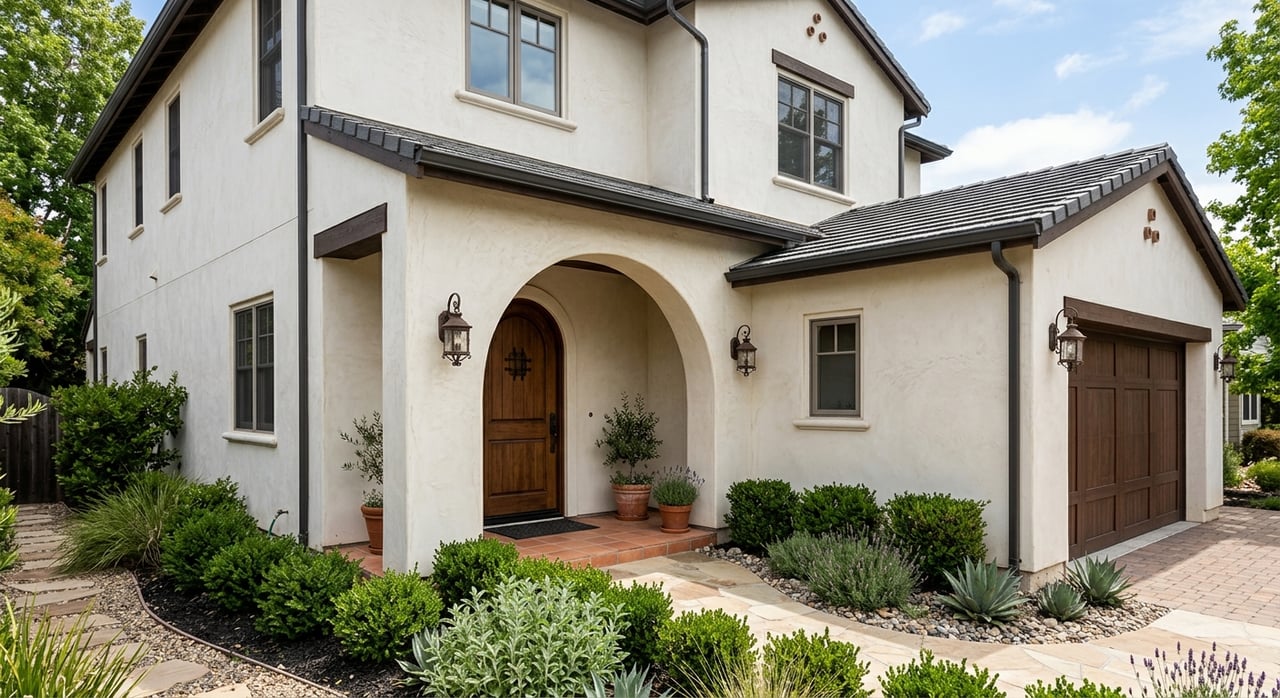
Wondering whether a single-family rental in Antelope can actually make sense in today’s market? If you are looking at the Sacramento-area suburbs for steady rental demand, Antelope stands out as a place where the numbers are workable, but only if you buy with clear expectations. This guide breaks down pricing, rent ranges, tenant demand, and what those signals may mean for your next move. Let’s dive in.
Antelope Rental Potential at a Glance
Antelope looks like a stable suburban rental market with a strong owner-occupied base and steady demand for larger homes. According to U.S. Census data, 70.2% of occupied housing units are owner-occupied, which is notably higher than Sacramento County overall at 59.0%. That matters because owner-heavy areas often have lower turnover and a more established housing base.
For rental investors, the headline is simple: Antelope appears to offer better rent-to-price potential than the county average, but it is still not a high-cash-flow market. The opportunity is more about stable, family-sized rental demand than chasing outsized returns.
Sale Prices in Antelope
If you are evaluating a buy-and-hold rental, your first question is usually the buy-in cost. Current market data points to Antelope being a roughly $500,000 single-family home market.
Redfin’s March 2026 figures show a median sale price of $515,000, with homes selling in just 9 days. Realtor.com shows a median listing price around $499,000, while the 95843 ZIP code page shows a median home sale price of about $497,000. Since those sources measure the market in different ways, the safest takeaway is that Antelope remains a tight, fast-moving for-sale market centered near the $500K mark.
That kind of pricing can feel relatively approachable compared with more expensive California submarkets. At the same time, the pace of the market means you need to be prepared when a well-positioned property hits.
Rent Levels for Single-Family Homes
On the rent side, Antelope shows solid demand for larger homes, especially 3- and 4-bedroom properties. Zillow reports an all-property average rent of $2,555, with average rents of $2,595 for 3-bedroom units and $3,140 for 4-bedroom units.
Looking more closely at current listings, 3-bedroom house rents mostly cluster between about $2,295 and $3,300, aside from one high-end outlier. Realtor.com reports lower median rents around $2,153 to $2,164, which is not unusual because median and average figures can differ quite a bit depending on the listing mix.
The big takeaway is that rent expectations should be grounded in the actual property. Size, condition, layout, yard space, and overall presentation are likely to shape where a home lands within that range.
What the Yield Looks Like
At first glance, Antelope screens better than Sacramento County on a basic rent-to-price comparison. Using a median sale price of $515,000 and median gross rent of $2,189, the simple unlevered gross yield works out to about 5.1%. Using the ACS median owner value of $489,800 instead, it rises to about 5.4%.
By comparison, Sacramento County works out to about 4.4% using its median listing price and median rent figures from the research report. That gives Antelope a modest edge on paper.
Still, gross yield is only a starting point. Once you account for taxes, insurance, repairs, management, and vacancy, this is better described as a moderate-yield suburban market rather than a strong cash-flow play.
Why Antelope Appeals to Rental Investors
Antelope’s appeal comes from the type of renter demand it attracts. The data suggests this is not a student-heavy or short-stay market. Instead, it looks more like a suburban commuter market where households may value extra bedrooms, practical layouts, and access to everyday amenities.
The average household size is 3.16, and 26.0% of residents are under 18. That supports the idea that larger homes may be the best fit for the area’s rental demand.
Commute patterns matter too. Mean commute time is 29.1 minutes, 64.4% of adults are in the labor force, and 71.1% of workers drive alone to work. Those numbers point to a car-dependent suburban pattern that often aligns well with single-family rental demand.
The Best Property Fit in Antelope
Based on the research, the most natural fit for a rental purchase in Antelope is a well-located 3- or 4-bedroom single-family home. A newer attached home may also work, especially if it offers practical space and lower maintenance.
Why does that matter? Because the local renter profile appears to favor homes that serve day-to-day household needs, not just the lowest price point. In a market where many renters are likely balancing space needs with affordability, a clean, functional property with good livability can stand out.
Features that may support stronger rent positioning include:
- Three or four bedrooms
- Updated condition
- Usable yard space
- Functional floor plan
- Convenient commuter access
- Well-maintained exterior and interior presentation
This does not mean every upgraded home will command top rent. It means renters may be more selective when monthly costs are already taking a meaningful share of income.
Supply and Vacancy Signals
Antelope’s current housing picture suggests limited for-sale turnover and a meaningful rental inventory base. The 95843 ZIP code shows 83 homes for sale and 145 rentals, which helps explain why buyers and investors need to watch both sides of the market at once.
There are also signs that rental supply has increased faster than rents. Realtor.com reports the ZIP code’s rental count is up 9.87% year over year, while median rent is up just 0.28% year over year.
That is an important signal. Demand is present, but pricing power may be limited unless your property clearly offers value compared with competing rentals.
Affordability Sets the Ceiling
One of the most important facts in this market is affordability pressure. In Antelope, 51.5% of renters spend 30% or more of household income on rent, and 13.6% of households spend 50% or more of household income on housing.
That does not suggest weak demand. It suggests that rent growth may have limits, especially for homes that are priced aggressively without offering a clear advantage.
If you are evaluating rental potential, this is where discipline matters. A property that is clean, updated, and appropriately priced may perform well. A property that depends on pushing the top end of the rent range without a strong reason may sit longer.
Antelope Compared With Sacramento County
Here is where Antelope stands out from the broader county picture. It has a higher owner-occupied share, higher median gross rent, and somewhat stronger basic rent efficiency than Sacramento County overall.
That combination can be attractive for buyers who want a suburban rental environment with a more stable feel. But it is still important to remember that Antelope is not insulated from broader affordability trends or inventory shifts.
In practical terms, Antelope may offer:
- Better rent-to-price screening than the county average
- Stronger fit for family-sized rentals
- A more owner-heavy housing base
- Competitive for-sale conditions
- More moderate return expectations than pure cash-flow markets
What This Means for Buyers and Sellers
If you are a buyer looking for rental potential, Antelope can make sense when you focus on the right property type and run conservative numbers. The strongest candidates are likely move-in-ready 3- and 4-bedroom homes that align with local demand and do not rely on unrealistic rent assumptions.
If you are a seller, this data can also help you understand your buyer pool. In a market with tight supply and solid rental demand, your home may appeal not only to owner-occupants but also to buyers looking for long-term hold potential.
Either way, strategy matters more than broad headlines. In a market like Antelope, small details in pricing, condition, and property fit can make a major difference in the outcome.
A Practical Bottom Line
Antelope looks like a stable single-family rental submarket with workable but moderate investment potential. The area benefits from a strong owner-occupied base, rent levels that compare favorably with Sacramento County, and demand that appears tied to larger suburban households.
The best opportunities are likely homes that match how people actually live in the area: practical, multi-bedroom properties with solid condition and everyday functionality. If you go in with realistic expectations on yield and rent growth, Antelope can be a market worth serious consideration.
If you are weighing a purchase, sale, or hold strategy and want a grounded read on how a specific property fits the market, talking it through with an experienced broker can save you time and sharpen your decisions. Connect with Frank (Duke) Hogstrom for thoughtful, broker-led guidance tailored to your goals.
FAQs
What is the typical home price range for rentals in Antelope, CA?
- Current market data suggests Antelope is roughly a $500,000 market, with reported figures around $497,000 to $515,000 depending on the source and method used.
What rent can a single-family home in Antelope, CA command?
- Rent depends on the property, but current data shows 3-bedroom homes often list between about $2,295 and $3,300, while Zillow reports average rents of $2,595 for 3-bedroom units and $3,140 for 4-bedroom units.
Is Antelope, CA a strong cash-flow market for investors?
- Antelope appears to be a moderate-yield market, not a high-cash-flow market, with simple gross yield estimates around 5.1% to 5.4% before expenses.
What type of rental property fits Antelope, CA best?
- The data points most strongly toward well-located 3- or 4-bedroom single-family homes, along with some newer attached homes that offer practical space and good overall condition.
Are rents still rising in Antelope, CA?
- Rental supply in the 95843 ZIP code has increased year over year faster than median rent, which suggests demand is present but rent growth may be limited unless a property offers clear value.
Why does affordability matter for Antelope, CA rentals?
- Affordability matters because 51.5% of renters spend 30% or more of income on rent, which can limit how far rents can rise without strong property features or clear value.