If you are weighing a Pasadena condo against a townhome, you are not just choosing a floor plan. You are choosing a budget, a maintenance level, and a day-to-day lifestyle that can feel very different once you move in. In Pasadena’s competitive attached-home market, understanding those differences can help you buy with more confidence and fewer surprises. Let’s dive in.
Pasadena attached-home market at a glance
Pasadena remains an expensive and fairly tight market. Recent market data shows a citywide median sale price of about $1.22 million, homes averaging around 32 days on market, and about four offers on average.
For attached homes specifically, condos currently make up the larger and lower-priced segment. Active Pasadena condo listings show a median listing price of about $785,000, while townhomes show a median listing price of about $934,000, with far fewer listings available.
That gap matters if you are trying to balance location, monthly cost, and space. In simple terms, condos often create a more accessible entry point, while townhomes tend to offer a more house-like setup at a higher price and with less inventory to choose from.
Condos vs townhomes in California
The label does not tell the whole story
In California, both condos and many townhomes are sold within common-interest developments. That means when you buy, membership in the homeowners association is typically automatic.
A condo usually means you own the interior airspace of your unit while sharing ownership of the land, building components, and common areas with other owners. A townhome often describes the architectural style more than the legal ownership structure, which is why two homes that look similar can come with very different owner responsibilities.
Why legal structure matters
This is one of the most important details to verify before you make an offer. The title documents, CC&Rs, and HOA rules determine who owns the exterior, the land beneath the unit, and key building components.
That affects maintenance, insurance, and even financing. It also affects how you compare one Pasadena listing to another, especially if one is marketed as a townhome but is legally structured as a condo.
When a Pasadena condo may fit better
Condos often work well if your top priorities are price and convenience. With more active listings and a lower median list price than townhomes, condos usually give you more choices in Pasadena.
A condo can also be a better fit if you want less exterior upkeep. In many communities, HOA dues help cover exterior maintenance and common areas, and may also include items like water, sewer, trash, or shared amenities.
If you prefer a simpler lock-and-leave lifestyle, that setup can be appealing. It can also make sense if you want to focus more on the unit itself and less on outdoor maintenance or exterior repairs.
Condo trade-offs to think about
The lower purchase price does not always mean a lower monthly cost. HOA dues are usually separate from your mortgage, and they can range from a few hundred dollars a month to more than $1,000 a month depending on the community and what is included.
Condos can also come with more lender scrutiny. Project condition, financial stability, inspections, outstanding debt, and legal issues can all affect financing, so it is smart to compare total costs and loan options carefully.
When a Pasadena townhome may fit better
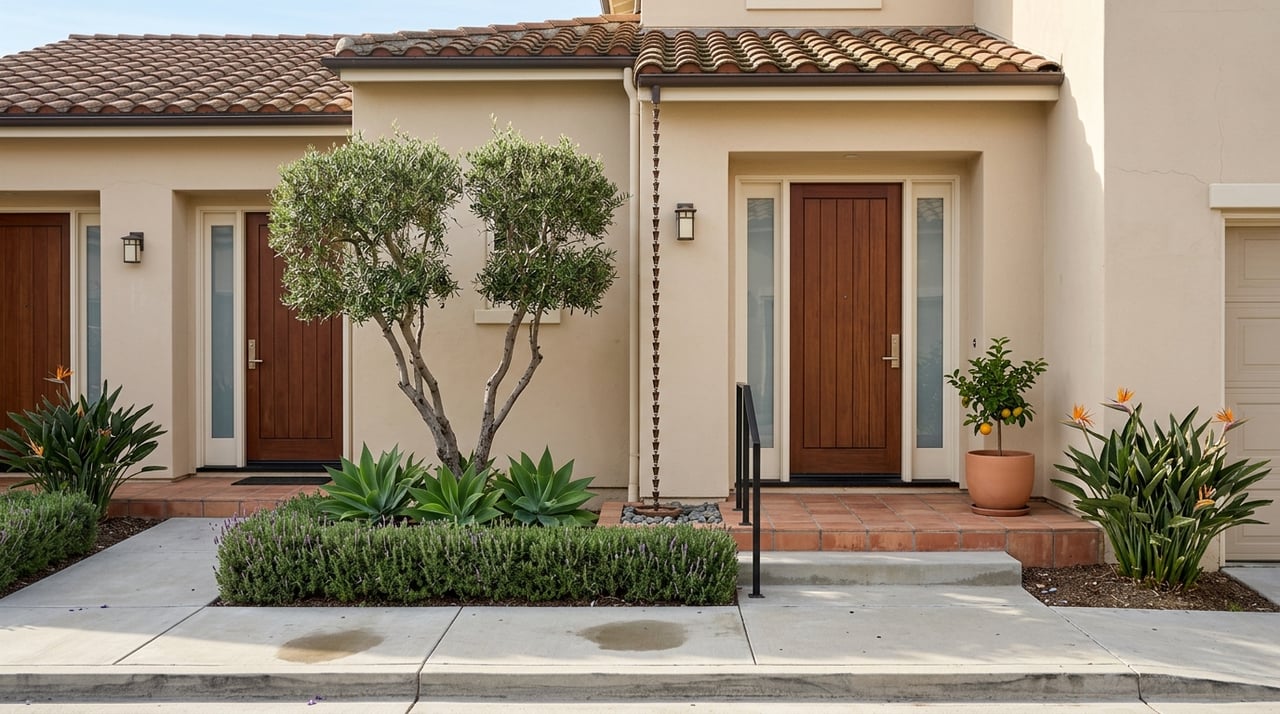
Townhomes tend to appeal to buyers who want an attached home that feels more like a house. Many offer two or three levels, a private entrance, and sometimes a patio, deck, or small outdoor area.
That layout can be a strong fit if you want more separation between living and sleeping spaces. It can also feel more private in your day-to-day routine, even though you are still part of a shared community.
Townhome trade-offs to think about
In Pasadena, townhomes are the scarcer option. With only a fraction of the active inventory compared with condos, buyers who want this style may need to move quickly when the right listing hits the market.
You should also be ready for a somewhat higher budget. The higher median list price means townhomes often require more flexibility on both purchase price and monthly payment.
Compare the total monthly payment
The best condo-versus-townhome decision usually comes down to total monthly cost, not just the asking price. A lower-priced condo with high HOA dues, separate interior insurance needs, and special tax charges may cost more each month than you expected.
A higher-priced townhome with more moderate HOA dues may sometimes feel more manageable than it first appears. That is why a side-by-side comparison matters.
Key monthly costs to review
Before you decide, compare:
- Principal and interest
- Property taxes
- HOA dues
- Homeowners insurance needs
- Any special assessments, special taxes, or Mello-Roos charges
In California, a change of ownership can also trigger supplemental tax bills. If you plan to occupy the home as your primary residence, you may also be eligible for California’s $7,000 homeowners’ exemption, but that requires a one-time filing with the county assessor.
HOA dues and maintenance responsibilities
One of the biggest differences between Pasadena condos and townhomes is how maintenance is divided. Condos often place more exterior responsibility on the HOA, while townhome communities can vary a lot from project to project.
That means you should never assume two similar-looking properties come with the same obligations. The right question is not “Is it a condo or townhome?” but “Who is responsible for what?”
What to check in the HOA documents
Review what the HOA fee actually covers, including:
- Exterior repairs and maintenance
- Roofs and shared structures
- Water, sewer, or trash
- Amenity upkeep
- Master insurance
- Reserve funding
California common-interest developments are generally required to complete reserve planning at least every three years. Some associations must also inspect certain exterior elevated elements on a recurring schedule. Those requirements can help explain why dues may be higher in older communities or in buildings with major shared components.
Lifestyle rules matter more than buyers expect
HOA rules can shape your everyday experience just as much as the floor plan. CC&Rs may limit or regulate exterior changes, structural updates, pets, rentals, parking, landscaping, and amenity use.
That does not make one option better than the other. It simply means you should match the community rules to the way you actually plan to live.
If you have a pet, need extra parking, plan to rent the property later, or hope to renovate, confirm those details early. Doing that up front can save you time and help you avoid disappointment.
Insurance and financing questions to ask
Insurance for attached homes can be more layered than many buyers expect. In multi-unit properties, the HOA may carry a master policy for common areas, but you may still need your own policy for the unit itself.
The details matter because coverage can vary. You want to know what the master policy handles and what you will need to insure on your own.
Financing can vary by project
Condo financing may involve extra review by the lender. Project financials, building condition, required inspections, and association issues can all affect approval and pricing.
That is another reason to shop carefully and compare Loan Estimates for similar loan features. In Pasadena, where attached-home prices are already high, even small differences in rate, dues, or insurance can noticeably change your monthly payment.
A practical Pasadena decision framework
If you are deciding between a Pasadena condo and townhome, keep your process simple and focused. The best fit is usually the one that aligns with both your budget and your preferred level of responsibility.
Here is a strong framework to use when comparing listings:
- Compare the total monthly payment, not just the price.
- Verify what the HOA fee covers.
- Review reserves, recent repairs, and any special assessments.
- Confirm what the master insurance policy covers.
- Check the legal property type, not just the marketing label.
When you use that checklist, the choice often becomes clearer. A condo may win on affordability and convenience, while a townhome may win on layout and a more house-like feel.
If you want help comparing Pasadena condos and townhomes with a clear eye on cost, ownership structure, and long-term fit, talk with Frank (Duke) Hogstrom for broker-led guidance tailored to your move.
FAQs
What is the main difference between a Pasadena condo and townhome?
- In Pasadena, the biggest difference is often ownership structure and maintenance responsibility, not just appearance. A condo usually means owning the interior airspace while sharing common elements, while a townhome often offers a more house-like layout but may still be legally structured as a condo.
Are Pasadena condos usually cheaper than Pasadena townhomes?
- Yes. Current Pasadena listing data shows condos with a lower median listing price than townhomes, and there are also more condo listings available.
Do Pasadena condos and townhomes both have HOA dues?
- Often, yes. Both property types are commonly part of common-interest developments, and HOA dues may cover shared maintenance, amenities, utilities, insurance, or reserve funding depending on the community.
What should you review before buying a Pasadena condo or townhome?
- Review the total monthly payment, HOA coverage, reserve funding, recent repairs, possible special assessments, insurance responsibilities, CC&Rs, and the legal property type shown in the title documents.
Can HOA rules affect daily life in a Pasadena attached-home community?
- Yes. HOA rules can affect pets, parking, rentals, renovations, amenity use, and exterior changes, so it is important to confirm that the rules fit your plans before making an offer.