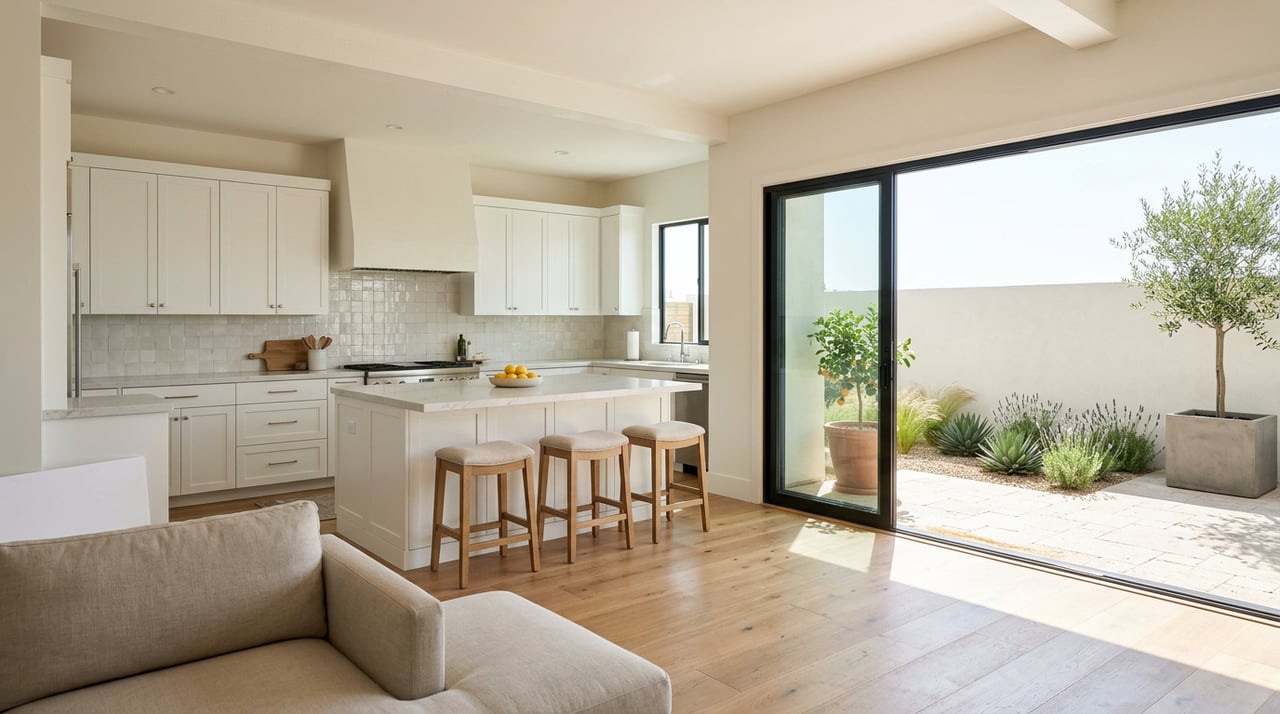
Considering a move from the Westside to Santa Clarita? You’re not alone. Many buyers look north for more space, newer homes, and quieter routines while staying connected to greater Los Angeles. In this guide, you’ll see what changes on price and square footage, how commutes actually feel, what to know about local schools, and how neighborhoods compare. You’ll also get a simple checklist to help you decide with confidence. Let’s dive in.
Price and space: what changes
If you want more space without leaving Los Angeles County, Santa Clarita often delivers. In early 2026, Redfin reports a Santa Clarita median sale price around $796,000 with a median price per square foot near $424. That implies roughly 1,800 to 1,900 square feet at the median price point, though exact sizes vary by home type and neighborhood (Santa Clarita market snapshot on Redfin).
By contrast, Westside submarkets typically cost more. Zillow’s December 2025 snapshot shows Santa Monica home values in the $1.6 million to $1.7 million range, and many pockets carry higher per-square-foot pricing that compresses interior space for a given budget (Santa Monica values on Zillow). For many buyers, the same budget that buys a condo or smaller single-family home on the Westside can buy a larger single-family home with a yard in Santa Clarita.
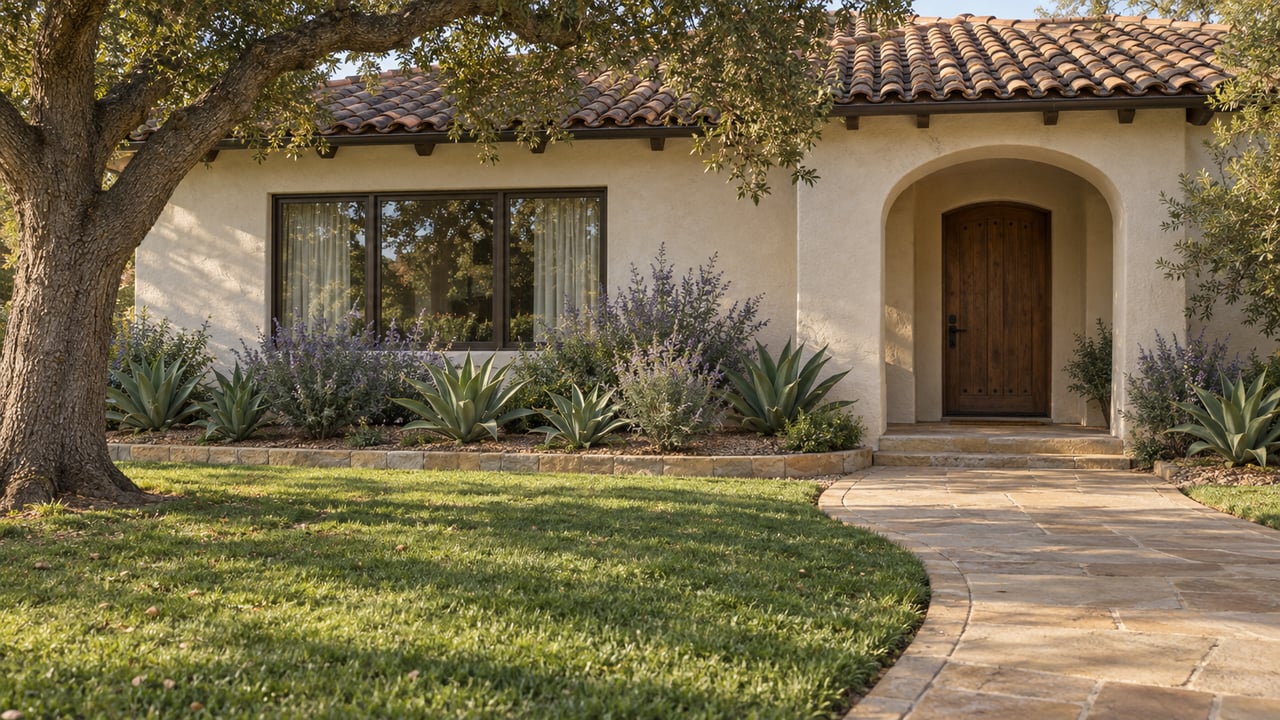
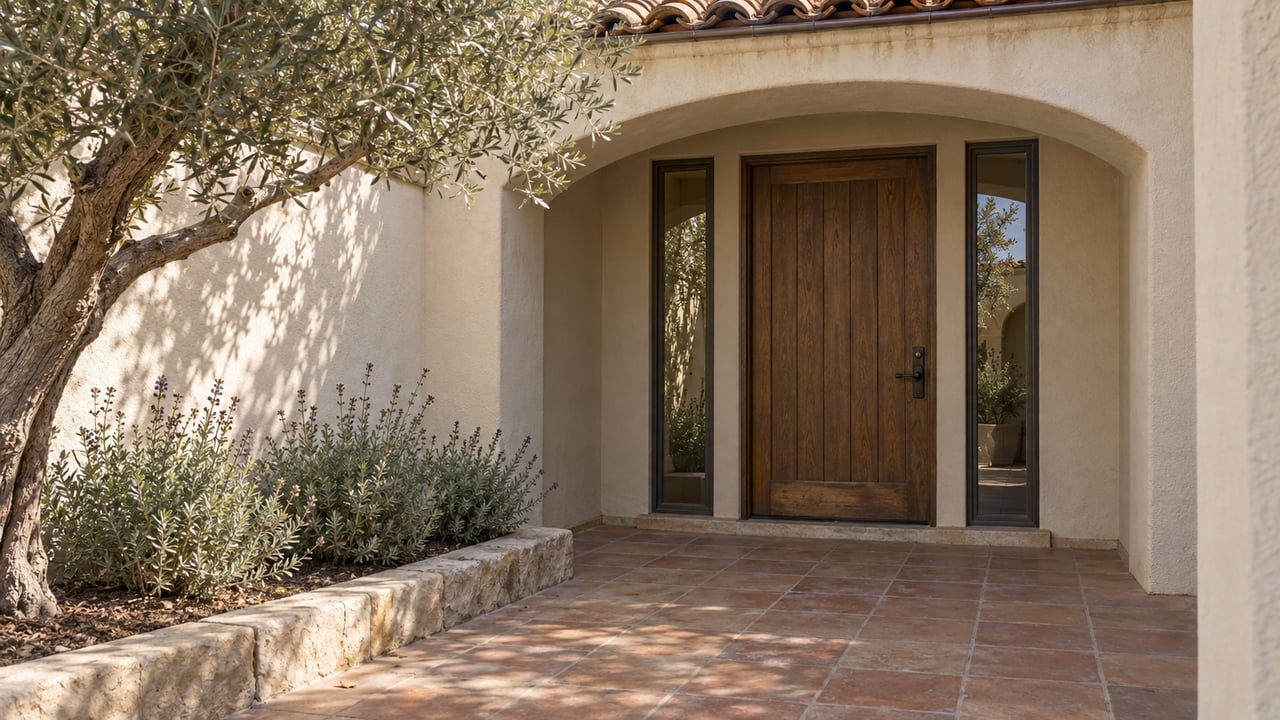
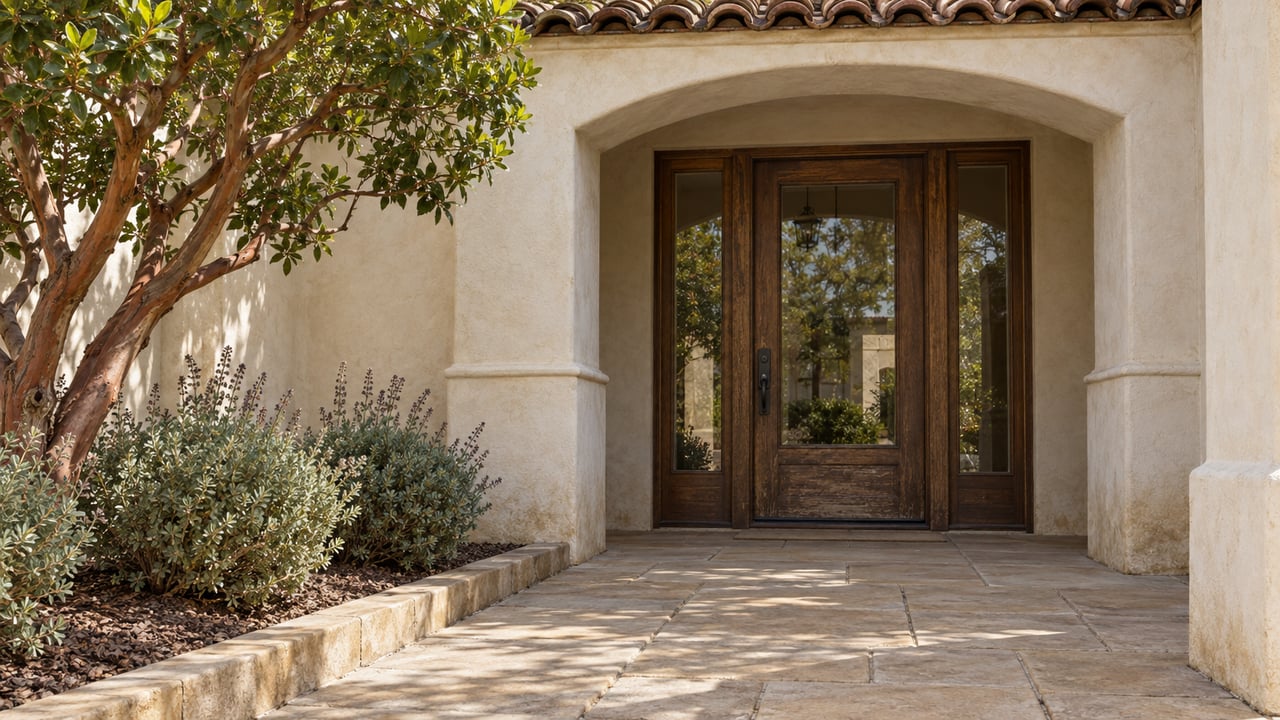
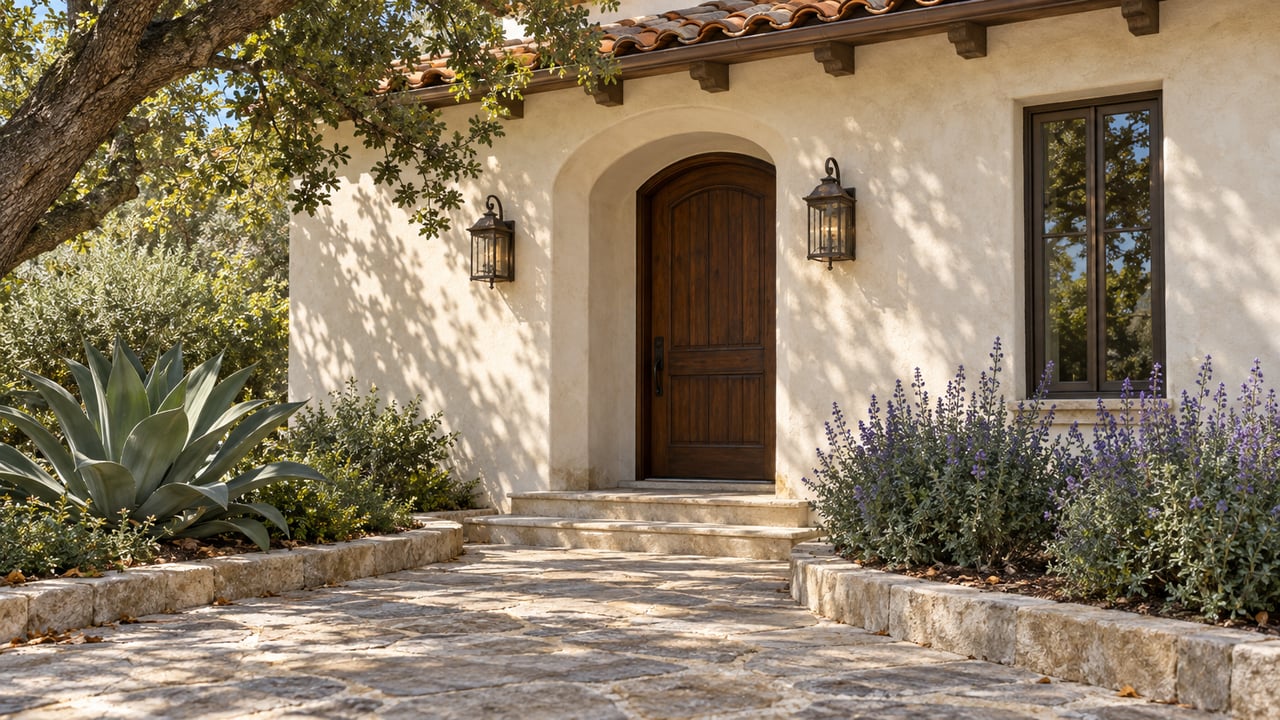
Beyond price, product mix is different too. Santa Clarita has extensive planned communities and a larger share of owner-occupied single-family homes with private yards, parks, and community amenities. The city’s Housing Element outlines these neighborhood patterns and housing types in detail (City of Santa Clarita Housing Element).
Commute reality: time and predictability
Average commute times run a bit longer in Santa Clarita than in Los Angeles overall. The Census shows a mean travel time to work of about 34.1 minutes for Santa Clarita compared with 30.7 minutes for Los Angeles city residents. These are population averages across modes and destinations, not Westside specific (Census QuickFacts).
Your day-to-day drive is the bigger variable. Drives from Valencia or Saugus to Westside job centers like Century City or West L.A. commonly run about 45 minutes in light traffic and can exceed 90 minutes during peak congestion, due to I‑5, 101, and 405 choke points. Real-world resident reports and local commute guides highlight this spread, so timing your actual route matters (commute options overview).
If you prefer predictability, consider rail. Metrolink’s Antelope Valley Line connects Santa Clarita Valley stations to Union Station in roughly 45 to 60 minutes depending on the schedule, then you would add a Metro or shuttle leg to the Westside. Train schedules and first or last departures can be a deciding factor for jobs with early or late hours (Metrolink Antelope Valley Line info).
Two planning tips:
- Check drive times for your exact office address at the hours you would leave and return. Run it a few days in a row.
- If you have a hybrid schedule, multiply round-trip time by your in-office days to estimate your weekly commute hours.
Schools: how to evaluate fit
Santa Clarita’s high schools are served by the William S. Hart Union High School District, which has been recognized in state and national rankings, and several Hart District schools have earned California Distinguished School honors (Hart District news).
Elementary and middle schools are organized through four primary districts that feed into Hart at the high school level: Saugus Union, Newhall, Sulphur Springs, and Castaic Union. Because boundaries can shift, confirm the exact assignment for any address and program offerings directly with the districts. The Hart District provides boundary resources to get you started (Attendance boundaries).
To compare options, try this simple approach:
- Map the exact attendance boundary for any home you like, then call the school to confirm.
- Review current state test results and graduation metrics, plus U.S. News or Niche snapshots for context.
- Visit campuses, ask about special programs, and note transportation times for your daily routine.
Lifestyle: what you gain and what you trade
Most Westside-to-SCV movers are aiming for space and calmer routines. In Santa Clarita, you’ll typically find larger interiors, attached garages, and private yards along with neighborhood parks, trails, and family-oriented recreation. Six Flags Magic Mountain, community sports complexes, and newer retail centers like the Valencia Town Center shape many weekend routines.
What you may trade is proximity to the beach and certain cultural institutions on the Westside. Weekend trips to Santa Monica, Brentwood, or coastal points can be 60 to 90 minutes each way when roads are busy. Many families keep selected Westside activities as occasional outings, then build a new local rhythm around trails, parks, and nearby entertainment.
Neighborhood snapshots in Santa Clarita
Here’s a quick, practical look at SCV submarkets many Westside buyers consider. All areas feed into the Hart District for high school, with elementary districts varying by neighborhood. Price bands below cite vendor and snapshot timing to keep comparisons apples to apples.
Valencia
- Character: Planned communities with newer subdivisions and proximity to major retail and dining.
- Pricing context: Zillow’s December 2025 snapshot shows Valencia values slightly above the Santa Clarita median, near the low $800Ks on average (Valencia values on Zillow).
- Commute note: Easy access to I‑5. Westside commutes still depend on 5-to-405 or 5-to-101 merges.
Saugus
- Character: A mix of established neighborhoods with parks and community facilities.
- Pricing context: Commonly near the broader Santa Clarita median in many snapshots, with variation by micro-location (Saugus market overview).
- Commute note: Most drives use Bouquet Canyon or Plum Canyon to reach major arterials and I‑5.
Newhall and Old Town Newhall
- Character: Historic core with some walkable blocks and cultural nodes.
- Pricing context: Price points can run lower than Valencia in some pockets, depending on age and location of housing stock (City Housing Element).
- Commute note: Quickest access to the 14 and Metrolink stations in many cases.
Stevenson Ranch
- Character: Master-planned hillside neighborhoods west of I‑5 with a range of home sizes.
- Pricing context: Often tracks near or a bit above the SCV median depending on age, size, and lot.
- Commute note: Direct I‑5 access is a plus for Downtown or Westside-bound drivers.
Canyon Country
- Character: Broad area with diverse housing stock and topography.
- Pricing context: Wide range due to age, size, and micro-location. Many options near the city median with outliers on both ends.
- Commute note: 14 Freeway access can help for Burbank, Pasadena, or Downtown routes.
Castaic
- Character: Northern gateway communities, with some newer tracts and lake-adjacent recreation.
- Pricing context: Varies by tract age and lot size, often near the city median with exceptions.
- Commute note: Furthest north among these, so factor in added minutes to reach Westside job centers.
A simple move decision checklist
Use this checklist to pressure test your plan before you list or buy.
- Commute frequency and hours: Time your actual route for your start and end times, then compare to the Metrolink schedule if rail is an option.
- Hybrid work math: Multiply round-trip commute time by in-office days to estimate weekly hours spent commuting.
- School priorities: Map attendance zones and confirm with districts, review Hart District and local metrics, and schedule school visits (Hart boundaries).
- Space vs. budget: Compare Santa Clarita’s median price and price per square foot to your Westside target. Redfin’s early 2026 SCV snapshot is about $796K at roughly $424 per square foot, while Westside medians like Santa Monica’s December 2025 values are $1.6 to $1.7 million (Redfin SCV snapshot, Santa Monica values).
- Weekend lifestyle: List the three Westside activities you most want to keep, then plan realistic travel time and frequency from SCV.
- Ongoing costs: Check HOA fees in newer communities, your property tax estimate, and insurance coverage needs, especially in hillside or fire-prone areas.
- Resale and access: Note proximity to Metrolink, freeway access, and local amenities that can support future buyer demand.
Data notes and how to read them
- Medians vary by source and timing. MLS-based medians from Redfin or Realtor.com differ from Zillow’s modeled values. Always note the vendor and snapshot date when comparing across areas.
- Commute statistics are population averages and not route specific. For a true picture of your day, run live drive times and check scheduled train options for your exact work hours.
Make your move with local, broker-led guidance
If you want more space without guesswork, you need a local plan that fits your time, budget, and routine. As a boutique, broker-led team rooted in Santa Clarita, we help you compare neighborhoods, verify school boundaries, and model your real commute so you can buy with confidence. Ready to talk specifics, tour homes, or map a smooth sell-then-buy? Connect with Frank Hogstrom for a friendly, no-pressure game plan.
FAQs
Is moving from the Westside to Santa Clarita mainly about getting more space?
- For many buyers, yes; Santa Clarita’s lower price per square foot often means larger interiors and yards for the same budget compared with Westside submarkets (Redfin SCV market, Santa Monica values).
How long is the commute from Valencia to Century City during rush hour?
- Expect roughly 45 minutes in light traffic and 90 minutes or more during peak periods due to I‑5, 101, and 405 congestion, so test your exact route and timing before you decide (commute overview).
What public school districts serve Santa Clarita?
- Four elementary districts — Saugus Union, Newhall, Sulphur Springs, and Castaic Union — feed into the William S. Hart Union High School District; confirm boundaries for any address with district resources (Hart boundaries).
Is there a train from Santa Clarita to Los Angeles job centers?
- The Metrolink Antelope Valley Line runs from SCV stations to Union Station in about 45 to 60 minutes on scheduled runs, then you would connect to Metro or employer shuttles for Westside destinations (Metrolink info).
How do prices compare between Santa Clarita and the Westside?
- Early 2026 Santa Clarita medians are around $796,000 at roughly $424 per square foot, while Santa Monica’s December 2025 values are about $1.6 to $1.7 million, which reflects a higher cost per square foot (Redfin SCV, Santa Monica values).
What ongoing costs should I plan for in SCV communities?
- Budget for HOA dues in some planned communities, property taxes and assessments, and insurance costs that can vary with location and fire risk; your lender and insurer can estimate specifics for each home.