Wondering if you can keep your Los Angeles commute manageable without giving up space, parking, and a more suburban daily rhythm? That is exactly why many buyers look at Santa Clarita. If you are trying to balance work in L.A. with a home base that feels more spread out and residential, this guide will help you understand how Santa Clarita works for commuters and what to weigh before you move. Let’s dive in.
Why Santa Clarita Appeals to L.A. Commuters
Santa Clarita sits about 35 miles northwest of Los Angeles, with access shaped by Highway 126, SR-14, and I-5. City planning and budget documents describe the area as generally suburban, with low-density residential neighborhoods, commercial uses along major arterials, and business parks concentrated along I-5 and Soledad Canyon Road.
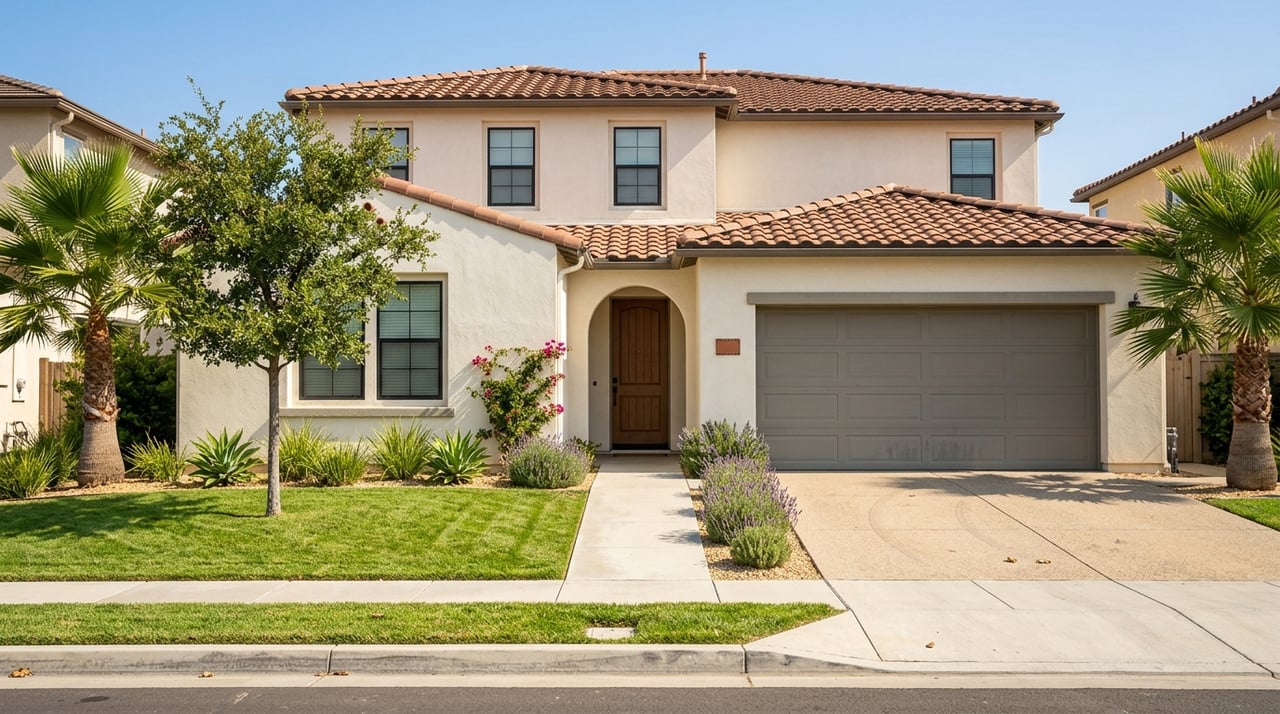
For you, that usually means a clear tradeoff. Santa Clarita can offer more house, more neighborhood separation, and a more suburban setting than many closer-in L.A. areas. In return, your day-to-day convenience often depends on how close you are to the right freeway, transit station, or main corridor.
Commute Corridors That Matter Most
If you are considering Santa Clarita for an L.A. commute, corridor access should be part of your home search from day one. The city’s layout makes some routes much more practical than others depending on where you work.
I-5 Shapes Daily Travel
I-5 is the main north-south spine through Santa Clarita. Caltrans identifies a 15.8-mile I-5 rehabilitation project in and near the city, stretching from just south of the I-5 and SR-14 separation to north of Lake Hughes Road, with separate Metro and Caltrans work tied to proposed HOV lanes and truck-lane extensions.
That matters because many commuter decisions in Santa Clarita start with I-5 access. If your work takes you toward the San Fernando Valley, central Los Angeles connections, or other regional job centers, your location relative to I-5 can shape your morning and evening routine.
Key Local Roads Also Affect Your Routine
Santa Clarita’s major community corridors help connect neighborhoods to freeways, stations, and transit hubs. City materials point to Soledad Canyon Road in Canyon Country, Lyons Avenue in Newhall, Bouquet Canyon Road in Saugus, and Valencia Boulevard near I-5 in Valencia as important daily movement corridors.
When you compare homes, these roads are not just lines on a map. They can influence how long it takes you to reach a commuter bus stop, a Metrolink station, or the freeway itself.
Transit Options for L.A. Commuters
If you do not want to rely only on driving, Santa Clarita offers several transit paths. For many households, that flexibility is a big part of the city’s appeal.
Santa Clarita Transit Express Service
Santa Clarita Transit serves about 200 square miles and offers commuter express service to several major work destinations. Published routes include service to North Hollywood, Woodland Hills, Canoga Park, Chatsworth, UCLA, Westwood, Century City, and Union Station in Downtown Los Angeles.
That range gives you more than one way to think about your commute. Instead of asking only, "How fast can I get to the freeway?" you can also ask whether your neighborhood connects well to a transit route that fits your office location.
Local Bus Connections to Hubs
Local routes help connect neighborhoods to major transfer points and rail stations. For example, routes 1 and 2 serve Castaic and Val Verde to the McBean Regional Transit Center, while route 12 connects McBean to Canyon Country through Downtown Newhall and both the Newhall and Santa Clarita Metrolink stations.
Other local routes also support cross-city travel. Routes 5 and 6 link Newhall and Stevenson Ranch with Canyon Country, and routes 4 and 14 serve Bouquet Canyon or Plum Canyon through Newhall by College of the Canyons.
Metrolink for Station-Based Commuting
Metrolink’s Antelope Valley Line serves Newhall, Santa Clarita, Via Princessa, and Vista Canyon. The city budget notes four Metrolink stations in Santa Clarita and reports that the Vista Canyon Multi-Modal Center opened in 2023.
Parking can be an important practical factor. Santa Clarita Station offers 473 free parking spaces, and Newhall Station offers 324 free spaces. Metrolink also states that it operates on all lines Monday through Friday, which can make station-based commuting a realistic option for many weekday workers.
Matching Your Home Search to Your Work Destination
Not every Santa Clarita neighborhood fits every L.A. commute equally well. One of the smartest ways to shop is to start with your actual destination, then narrow down the areas that best support it.
For Downtown L.A. or Union Station
If you commute to Downtown Los Angeles or Union Station, the most relevant options are usually the 799 or 794 commuter express routes and Metrolink access. In that case, homes with easier connections to station areas or main transit corridors may deserve extra attention.
You may find that convenience matters more than being tucked deeper into a canyon setting. A slightly more central location can sometimes make the workweek smoother.
For North Hollywood or the Valley
If your office is in North Hollywood or parts of the San Fernando Valley, Santa Clarita Transit’s 757 NoHo Express and the 796 or 791 service toward Warner Center and Chatsworth are the main commuter-bus options named in published route information.
For this kind of commute, it helps to look closely at how quickly you can reach the right corridor in the morning. Small differences in location can affect how simple your daily trip feels.
For Westwood or Century City
For Westside commuters, the 797 or 792 route is the key Santa Clarita Transit connection to UCLA, Westwood, and Century City. If this is your destination, your search should focus on neighborhoods that make it easier to use that route consistently.
This is a good example of why broad advice rarely works. The best neighborhood for one commuter may not be the best one for another, even within the same city.
What Santa Clarita Homes Feel Like by Area
Santa Clarita is not one uniform housing pattern. City planning documents describe several residential types, and that variety can be helpful if you want to match lifestyle and commute priorities.
Traditional, Suburban, and Mixed-Density Areas
Portions of Newhall and Saugus are identified as traditional residential. Parts of Canyon Country, Stevenson Ranch, Newhall, Saugus, and older Valencia fit the suburban subdivision pattern, while newer Valencia neighborhoods are described as mixed-density.
For many buyers, these areas offer the classic Santa Clarita balance of residential streets, access to major arterials, and a range of home types. If commute convenience is a priority, these patterns often line up more naturally with corridor access.
Large-Lot and Rural-Feeling Settings
Placerita and Sand Canyon are identified in city planning materials as examples of rural large-lot homes. Another city document notes that Canyon Country includes large-lot custom homes, tract homes, multifamily development, and mobile home parks, while Sand Canyon is intended to preserve a rural and equestrian character.
If you want more land, more separation, or a quieter setting, these areas may stand out. The tradeoff is that greater privacy often comes with less direct access to the main commuter routes.
The Real Tradeoff: Space vs. Convenience
For most L.A. commuters, the Santa Clarita decision comes down to one core question: how much convenience are you willing to trade for space and privacy? Homes closer to I-5, Soledad Canyon Road, Newhall station areas, or the Valencia and McBean corridor usually offer easier access to commuting infrastructure.
Homes farther into Placerita, Sand Canyon, or other canyon areas often offer a different lifestyle feel, with more space and separation from major traffic corridors. Neither choice is automatically better. The right fit depends on your work destination, schedule, and how you want your home life to feel when the workday ends.
How to Choose the Right Fit
Before you buy, it helps to evaluate Santa Clarita like a commuter first and a home shopper second. That approach can save you from falling in love with a house that does not support your weekly routine.
Here are a few smart questions to ask as you narrow your options:
- Where is your main work destination most days?
- Will you drive, take commuter bus service, use Metrolink, or mix methods?
- How important is quick freeway access compared with a quieter setting?
- Do you want to be near a station area or transit center?
- Are you prioritizing a larger lot, more interior space, or a shorter trip to your commute corridor?
A well-matched location can make Santa Clarita feel like a smart long-term move. A poorly matched one can make even a great house feel less practical Monday through Friday.
Santa Clarita works best for commuters who want suburban living and who choose their neighborhood with a specific corridor in mind. With access to I-5, SR-14, commuter express buses, and four Metrolink stations, you have real options. The key is aligning your home search with how you actually travel, not just where you want to live.
If you want help comparing commute-friendly areas in Santa Clarita, reach out to Frank (Duke) Hogstrom for local, broker-led guidance tailored to your goals.
FAQs
What makes Santa Clarita appealing for Los Angeles commuters?
- Santa Clarita offers a generally suburban setting with low-density residential neighborhoods, access to I-5, SR-14, and Highway 126, plus commuter bus and Metrolink options for several Los Angeles job centers.
What transit options do Santa Clarita commuters have for Downtown Los Angeles?
- Santa Clarita commuters can use the 799 or 794 commuter express routes and Metrolink access when traveling toward Downtown Los Angeles or Union Station.
What Santa Clarita transit routes help commuters reach North Hollywood or the San Fernando Valley?
- The main published commuter-bus options are the 757 NoHo Express and the 796 or 791 service toward Warner Center and Chatsworth.
What Santa Clarita transit option serves Westwood and Century City commuters?
- The key Santa Clarita Transit connection for Westside commuters is the 797 or 792 route serving UCLA, Westwood, and Century City.
What Santa Clarita neighborhoods may fit buyers who want more space?
- City planning documents identify areas like Placerita and Sand Canyon with rural large-lot housing patterns, which may appeal to buyers looking for more space and privacy.
What should homebuyers consider when choosing a Santa Clarita neighborhood for commuting?
- You should compare your work destination, likely route, access to freeways or stations, and your preferred balance between commute convenience and a quieter, more spacious home setting.